Response, not identity
The OLRP describes the response a leader tends to use. It does not place the person into a permanent personality category.
 Operational Leadership InstitutePractical leadership for healthcare
About the Institute
Operational Leadership Institute exists to close that gap with practical, experience-driven development for healthcare leaders navigating real decisions, relationships, pressure, and change.
Six modes. One adaptable leader.
Why the Institute was created
Clinical expertise may earn someone the opportunity to lead, but the new role immediately introduces a different set of demands: making decisions with incomplete information, managing former peers, addressing performance concerns, building accountability, developing employees, navigating organizational pressure, and keeping operations moving when resources are limited.
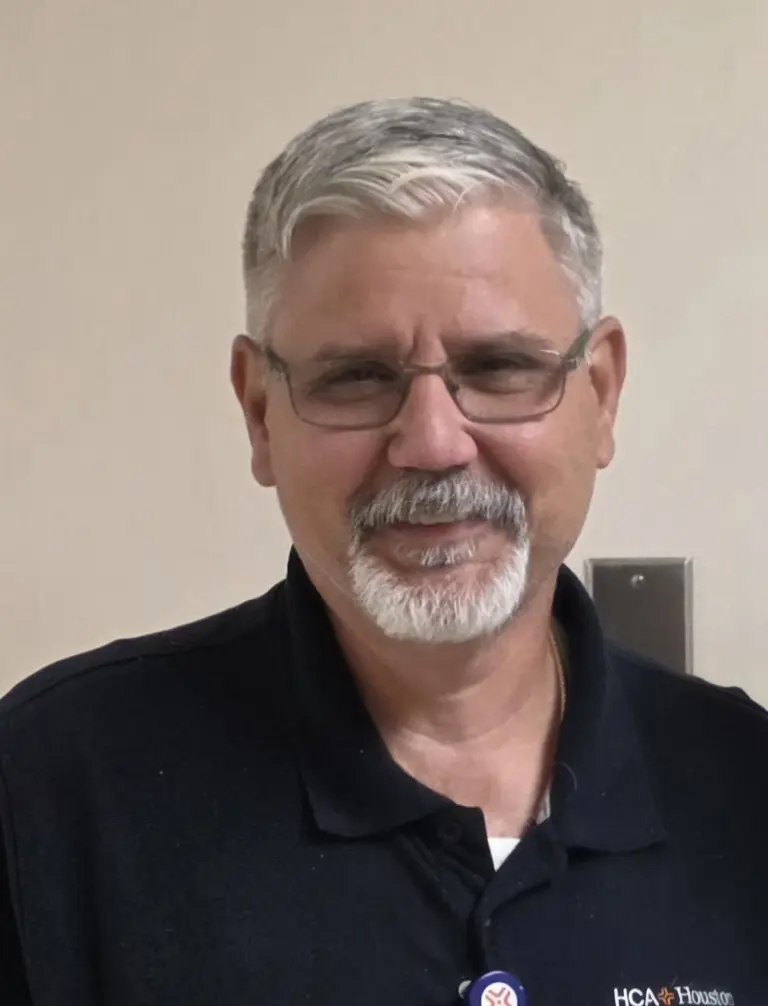
Michael Cormier brings more than two decades of experience across frontline healthcare imaging, supervision, management, service-line operations, and multi-site leadership. The Institute grew from lessons shaped by actual staffing challenges, operational disruptions, difficult employee conversations, regulatory demands, major projects, and the daily responsibility of supporting healthcare teams.
Those experiences became the foundation for Operational Leadership in Healthcare: What They Don’t Teach You Before You Get the Title. The Institute extends that work through assessments, practical tools, and educational resources leaders can apply to the situations already waiting for them.
Explore both booksWhy create the OLRP?
Many assessments offer valuable self-awareness, yet leadership problems rarely present themselves as fixed personality questions. They arrive as situations: a stalled decision, a strained relationship, a failed process, a change that is losing support, an employee who needs development, or a standard that must be protected.
The Operational Leadership Response Profile was created to examine how a leader naturally responds in those moments. It helps leaders recognize the response they access most readily, see how that strength may become overused under pressure, and deliberately activate another mode when the circumstances require it.
The goal is not to tell leaders who they are. It is to expand how they lead.
What makes the approach different
The OLRP describes the response a leader tends to use. It does not place the person into a permanent personality category.
Every mode contributes value. The same mode can become limiting when it is applied too intensely, too quickly, or for too long.
Effectiveness means recognizing what the situation needs and shifting modes intentionally—not trying to maximize one universally ideal style.
Who we serve
The OLRP is a leadership-development and coaching tool. It is not intended for hiring, promotion, discipline, credentialing, clinical decisions, diagnosis, or prediction of employment performance. The current Leadership Mode Snapshot is a beta instrument and has not yet established psychometric validity, reliability, fairness, or population norms.
Continue the conversation